













Four-Level Plan Introduced to Safeguard Algerian Water

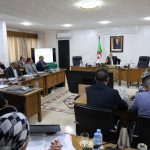
Algeria's Ministry of Hydraulics and the National Health Security Agency (ANSS) have jointly called on citizens and all relevant stakeholders to permanently embed water rationalization practices. This concerted effort seeks to ensure the preservation of water resources, protect public health, and reinforce national health security. The agencies highlighted that safeguarding water, as a vital national resource and shared heritage, is an individual and collective responsibility demanding rational use and accountable behavior across all aspects of daily life.
The joint statement underscored the fundamental importance of safe and potable water for human health, quality of life, and economic and social development. However, this critical resource is increasingly vulnerable and subject to rising pressures from multiple factors, including elevated temperatures, recurring heatwaves, reduced rainfall, and worsening drought conditions. These environmental challenges necessitate enhanced vigilance, responsible conduct, and rational water consumption to guarantee sustainability and meet the essential needs of the population.
In response to these growing challenges, the Ministry and ANSS proposed a four-level complementary plan to anticipate the potential effects of drought and progressively adapt measures to the evolving hydric situation. This framework serves as an indicative guide for awareness and vigilance regarding water conservation. While the plan provides a sensitization framework, any regulatory measures for water use restrictions are under the purview of competent authorities and will be applied in accordance with established texts and procedures.