
















Federal Ruling Reopens U.S. Immigration Path for Algerians
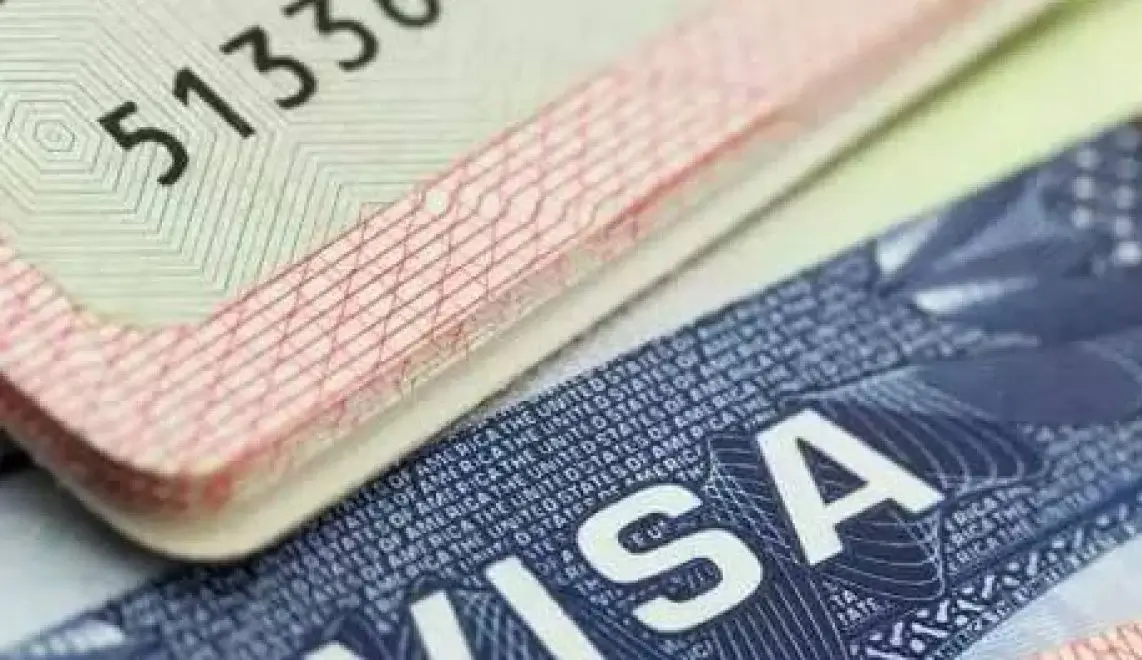
A U.S. federal judge has invalidated a previous freeze on immigration visa issuance, a measure that had impacted Algerian nationals, among others. The decision, handed down by Federal Judge Jeannette Vargas of a New York court, permits Algerian citizens to once again submit applications for immigration visas with the aim of permanent settlement in the United States. This development marks the reversal of a policy that had been in effect since January 2026.
The original suspension of immigration visas was implemented by the administration of Donald Trump, with the U.S. Department of State issuing the directive on January 21, 2026. This action was part of a broader tightening of migration policy, targeting individuals seeking permanent residence in the U.S. The American administration had previously cited the potential for certain applicants to utilize social benefits or become a burden on public finances as the rationale for the freeze. Consular services in affected countries, including Algeria, Morocco, Tunisia, and Libya, were instructed to refuse immigration visa applications, even from candidates who could demonstrate financial independence.
Judge Vargas’ ruling on Friday, August 21, explicitly annulled this decision, stating that the measure was "contrary to law" and had been "taken beyond the legal powers conferred on the Secretary of State," Marco Rubio. This judicial decision effectively removes the legal basis for the freeze, thereby re-establishing the standard application process for those seeking to immigrate to the United States from Algeria and other affected nations.
While the ability to apply for immigration visas has been restored, it does not guarantee automatic approval. Applicants are still required to satisfy the conditions stipulated by U.S. immigration legislation and must undergo the customary consular verifications. The judge's decision aligns with a pattern of judicial challenges to the Trump administration's migration policies, which have seen other measures, such as specific work visa fees and decrees related to birthright citizenship, also face legal reversals.