













Academic Study Exposes French Colonial Violence
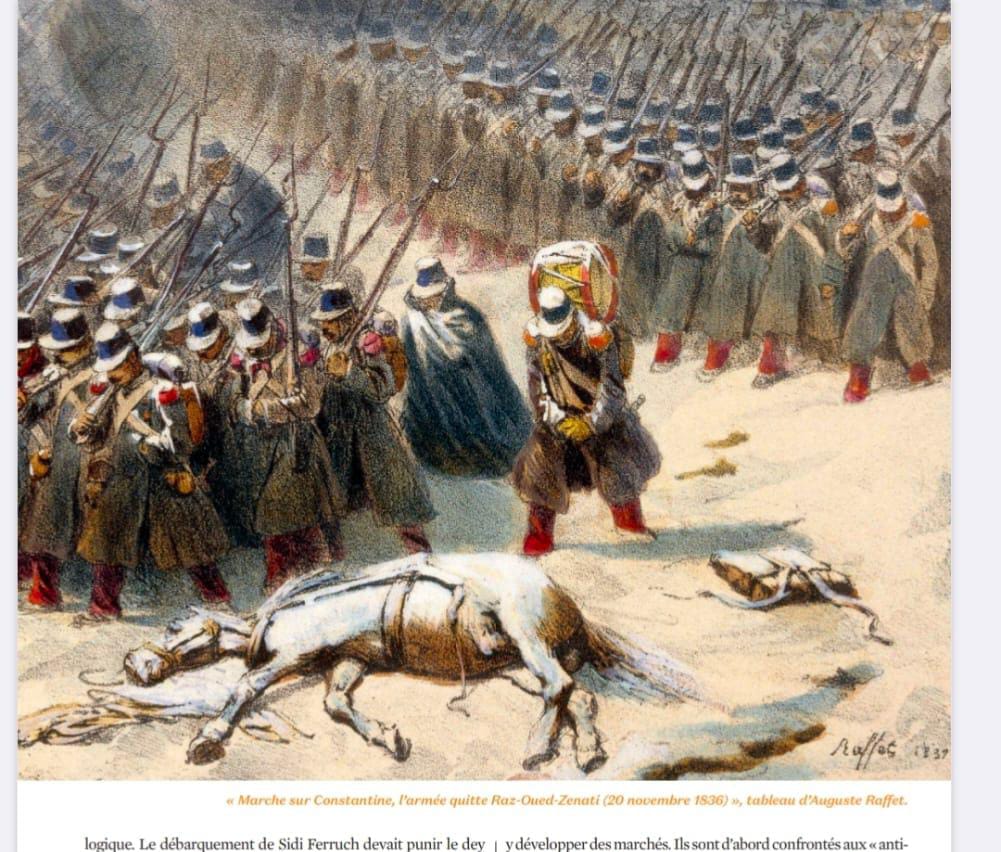
A recent Algerian analysis critically examines contemporary French attempts to reframe its colonial legacy in Algeria, specifically addressing efforts to portray military aggression as political confusion. This academic refutation counters arguments, such as those by journalist François Reynaert, which suggest the French campaign and early occupation lacked clear planning and were characterized by internal debate. The Algerian perspective asserts that what some describe as French hesitation or administrative perplexity was, in fact, a series of strategic maneuvers and gradual control attempts, largely necessitated by the unwavering national resistance led by figures such as Emir Abdelkader and Ahmed Bey.
The analysis highlights that the concept of "limited occupation" was not born from French moderation but was a strategic adaptation in response to strong Algerian resistance. Treaties like Demichal (1834) and Tafna (1837) are presented not as signs of French indecision, but as tactical truces during which the modern Algerian state's sovereignty was implicitly recognized over significant portions of the country. When the limitations of this approach became clear in the face of a population unwilling to accept foreign tutelage, the colonial project shifted towards a doctrine of comprehensive war and systematic extermination, led by Marshal Bugeaud, employing tactics like destroying villages, burning crops, and confiscating livestock to break the will of the people.
Furthermore, the Algerian analysis dismantles the notion that the colonization of Algeria was an economic burden for France, arguing that this financial debate masked the systematic plunder of Algerian resources and the forced restructuring of its economy for imperial benefit. Projects such as the "Arab Kingdom" under Napoleon III are reinterpreted not as benevolent reforms but as geopolitical strategies to absorb popular discontent and integrate local leadership into the colonial structure, ultimately paving the way for further land expropriation and the systematic disenfranchisement of the majority of Algerians. This included legal distinctions like the Crémieux Decree, which solidified the division and denied rights to millions of Muslims.
Ultimately, the analysis concludes that the French colonial project's fate was not determined by Parisian political indecision, but by the resolute Algerian will, deeply rooted in a people who refused to be perpetually subjugated. The continuous resistance, passed through generations from early leaders to the comprehensive national revolution of November 1, 1954, proved that Algeria was a living nation with its own memory, identity, and historical resolve. This steadfast determination ensured that independence was a historical right seized by Algeria through sacrifice and resilience, rather than a concession or the conclusion of a colonial project.